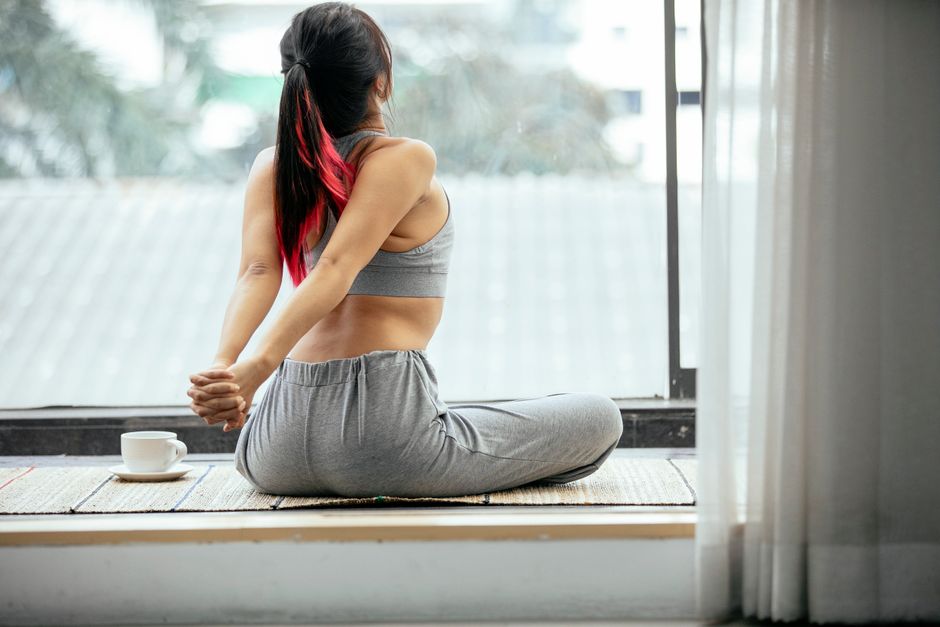
After a workout, the lower back often holds residual tension from movements like squats, deadlifts, or even running. This tension can accumulate over time, leading to discomfort or stiffness that may interfere with daily activities. Incorporating targeted stretches into a cool-down routine is one way to help the muscles in the lower back return to a relaxed state. These mobility drills are designed to be performed after exercise, when the body is warm and more receptive to gentle elongation.
The following five stretches focus on releasing tension in the lumbar spine, hips, and surrounding muscles. Each movement is intended to be performed slowly and with control, respecting the body’s natural range of motion. No stretch should cause sharp pain. Instead, a mild sensation of pulling or mild discomfort is typical. By integrating these drills into a post-workout routine, individuals may support their body’s recovery process and reduce the likelihood of developing persistent lower back tightness.
FitPulse recommends using these stretches as part of a broader approach that includes proper form during exercise, adequate hydration, and listening to the body’s signals. The following descriptions provide step-by-step guidance for each movement.
Knee-to-Chest Stretch
The knee-to-chest stretch is a foundational movement for releasing tension in the lower back. It targets the lumbar spine and the gluteal muscles, which often remain contracted after activities that involve hip flexion or spinal loading. To perform this stretch, lie on the back with both knees bent and feet flat on the floor. Slowly bring one knee toward the chest, using both hands to gently pull the knee closer. The opposite leg remains bent with the foot resting on the floor. Hold this position for 20 to 30 seconds, breathing steadily. Then switch legs. This movement can be repeated two to three times per side.
For a deeper release, the stretch can be performed with both knees pulled toward the chest simultaneously. However, individuals with existing lower back injuries or disc issues should proceed cautiously and consult a healthcare professional if uncertain. The knee-to-chest stretch is often used in physical therapy settings because it applies a gentle traction force to the lumbar region, which may help decompress the discs and relieve muscle spasms. Incorporating this stretch after a workout encourages the lower back muscles to lengthen gradually rather than remaining in a shortened, contracted state.
Child’s Pose
Child’s pose is a yoga-inspired posture that provides elongation to the entire posterior chain, particularly the lower back, hips, and thighs. It is especially useful after exercises that involve spinal extension, such as back squats or overhead presses. To enter this position, kneel on a mat with the big toes touching and the knees wider than hip-width apart. Slowly lower the torso forward, walking the hands out in front until the forehead rests on the mat. The arms may extend fully forward or rest alongside the body. The weight of the torso should be supported by the legs, allowing the lower back to release into a gentle flexion.
Hold child’s pose for 30 seconds to one minute, focusing on slow, deep breaths. As the exhale deepens, the lower back may sink further toward the floor. This stretch is not intended to force the spine into extreme flexion; rather, it invites a passive release. If the hips feel tight, placing a cushion between the thighs and the calves can provide additional support. Child’s pose can be repeated as needed throughout a cool-down, and it is also a useful posture to return to between more dynamic movements. By encouraging the paraspinal muscles to lengthen, it helps counterbalance the compressive forces experienced during a workout.
Seated Spinal Twist
The seated spinal twist introduces rotation to the thoracic and lumbar spine, which can alleviate lateral tension that builds up during unilateral exercises or asymmetrical movements. This stretch also engages the obliques and the quadratus lumborum, a deep muscle often involved in lower back discomfort. Begin by sitting on the floor with the legs extended straight in front. Bend the right knee and cross the right foot over the left leg, placing it flat on the floor outside the left knee. If the left leg feels too tight, it may be kept extended or slightly bent. Inhale to lengthen the spine, then exhale as the torso rotates toward the right. The left elbow or forearm can rest against the right knee to deepen the twist, but the movement should come from the spine rather than from pushing forcefully with the arm.
Hold the twist for 20 to 30 seconds on each side, maintaining even breathing. The gaze may follow the direction of the twist, keeping the neck relaxed. A key point is to avoid over-rotating or using the arm as a lever to force the spine into an uncomfortable range. The seated spinal twist helps maintain mobility in the spinal joints and encourages the release of tension stored along the lateral aspects of the lower back. Performing this stretch after a workout can contribute to a more balanced feeling throughout the trunk.
Pigeon Pose
The pigeon pose is a hip-opening stretch that has a direct impact on the lower back because of the connection between hip mobility and lumbar lordosis. When the hip external rotators and the piriformis muscle become tight, they can tilt the pelvis and increase stress on the lower spine. Pigeon pose addresses this by stretching the gluteal muscles and the deep rotators of the hip. To begin, come into a tabletop position on the hands and knees. Bring the right knee forward and place it behind the right wrist, angling the right foot toward the left hip. The left leg extends straight back, with the top of the foot resting on the floor. Slowly lower the torso toward the floor, resting on the forearms or bringing the forehead to the hands. The sensation should be felt in the right glute and outer hip, not in the knee.
Remain in this position for 30 to 45 seconds, breathing deeply. Then repeat with the left leg forward. If the hip is extremely tight, a cushion or folded blanket can be placed under the bent leg for support. Pigeon pose is particularly useful after workouts that involve running, cycling, or any activity with repeated hip flexion. By releasing tension in the hips, it indirectly helps the lower back remain more neutral and relaxed. Regular practice of this stretch may contribute to better alignment during subsequent workouts.
Cat-Cow Stretch
The cat-cow stretch is a dynamic movement that mobilizes the entire spine, from the cervical to the lumbar region. It is especially effective for relieving stiffness that accumulates during weight training or prolonged static positions. Begin on the hands and knees in a tabletop position, with the wrists directly under the shoulders and the knees under the hips. Inhale as the spine arches into cow pose: the belly drops toward the floor, the chest lifts, and the gaze tilts upward. Then exhale as the spine rounds into cat pose: the chin tucks toward the chest, the back arches upward like a cat, and the tailbone tucks under. The movement should be initiated from the pelvis and flow through the entire spine.
Repeat the cat-cow sequence for 8 to 10 slow cycles, coordinating each movement with the breath. The emphasis is on smooth transitions rather than extreme ranges of motion. This stretch helps improve spinal mobility and encourages the paraspinal muscles to alternately contract and relax. Incorporating cat-cow into a cool-down allows the lower back to experience both flexion and extension in a controlled manner, which may reduce the feeling of stiffness after intense exercise. It is also a helpful warm-up before performing static stretches.